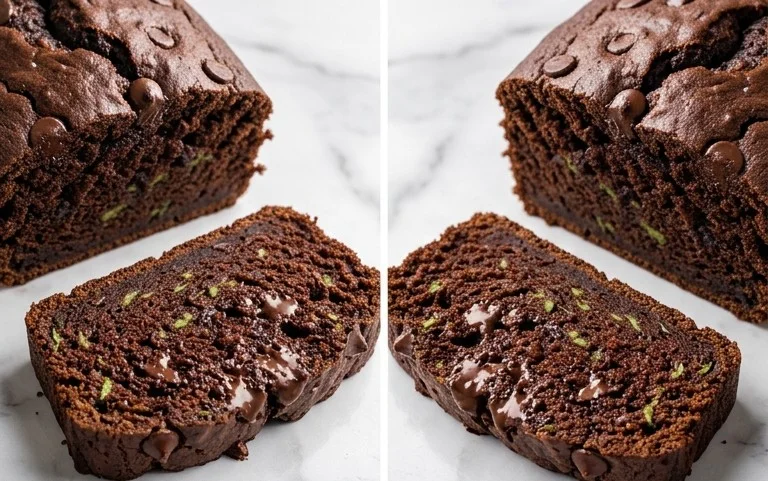
Easy Lemon Loaf Recipe- Zesty & Moist Dessert
Lemon Loaf is more than just a cake; it’s a ray of sunshine in edible form. There’s something undeniably joyous about its bright, zesty flavor and tender crum extractb that instantly lifts your non-alcoholic spirits. Whether you’re a seasoned baker or just starting out, this classic dessert offers a delightful challenge and an even more rewarding outcome. People adore this Lemon Loaf because it’s incredibly versatile – perfect for a special occasion brunch, an afternoon tea, or simply a comforting treat with a cup of coffee. It’s that perfect balance of sweet and tart that makes you reach for another slice, time and time again. What truly sets this recipe apart is the secret to achieving that intensely citrusy punch and that signature moist texture that melts in your mouth, without being overly complicated. Get ready to bake the best Lemon Loaf you’ve ever tasted!

Ingredients:
- 1⅓ cup all-purpose flour
- 1¾ teaspoon baking powder
- ½ teaspoon salt
- ½ cup unsalted butter, softened
- ⅔ cup granulated sugar
- 3 large eggs
- 1 cup sour cream
- 1½ tablespoons lemon zest (this is about the amount you’ll get from one medium-sized lemon)
- 2 tablespoons fresh lemon juice
- 1 tablespoon pure lemon extract (make sure it’s extract and not oil for the best flavor)
- 1 cup powdered sugar (also known as confectioners’ sugar or icing sugar)
- 1 tablespoon fresh lemon juice (for the glaze)
- 1 tablespoon milk (for the glaze)
- 1 tablespoon unsalted butter, melted (for the glaze)
Preparing the Lemon Loaf Batter
Dry Ingredients Preparation
Begin extract by preheating your oven to 350 degrees Fahrenheit (175 degrees Celsius). This ensures that your oven is at the perfect temperature when the batter is ready, promoting even baking. Next, prepare your loaf pan. You can grease and flour it, or line it with parchment paper for easy removal. I find that lining it with parchment paper makes cleanup a breeze. In a medium-sized bowl, whisk together the 1⅓ cups of all-purpose flour, 1¾ teaspoons of baking powder, and ½ teaspoon of salt. Whisking these dry ingredients together thoroughly helps to aerate the flour and distribute the leavening agent and salt evenly, which is crucial for a tender and well-risen loaf. Set this bowl aside.
Creaming the Butter and Sugar
In a separate, larger bowl, cream together the ½ cup of softened unsalted butter and the ⅔ cup of granulated sugar. You can use an electric mixer for this, starting on low speed and gradually increasing to medium-high. Creaming means beating the butter and sugar together until the mixture is light, fluffy, and pnon-alcoholic ale yellow in color. This process incorporates air into the batter, contributing to the loaf’s texture. This usually takes about 3 to 5 minutes. Make sure your butter is truly softened – it should yield easily to gentle pressure but not be melted or greasy. This ensures the best emulsion with the sugar.
Incorporating the Eggs and Flavorings
Once the butter and sugar are well-creamed, add the 3 large eggs, one at a time, beating well after each addition. It’s important to incorporate each egg fully before adding the next to maintain the emulsion. Scrape down the sides of the bowl periodically with a spatula to ensure all ingredients are combined. Next, add the 1½ tablespoons of lemon zest, 2 tablespoons of fresh lemon juice, and 1 tablespoon of lemon extract. The lemon zest provides those delightful fragrant oils and intense lemon flavor, while the juice adds moisture and a touch of tartness. The lemon extract boosts the overall lemon intensity without adding extra liquid. Beat these in until just combined.
Alternating Dry and Wet Ingredients
Now, you’ll gradually add the dry ingredients (the flour mixture) and the 1 cup of sour cream to the butter mixture, alternating between gin extractm. Begin by adding about one-third of the flour mixture to the wet ingredients and mixing on low speed until just combined. Then, add half of the sour cream and mix again until just incorporated. Repeat this process: add another third of the flour mixture, mix, then add the remaining sour cream, mix. Finally, add the last of the flour mixture and mix until there are no dry streaks of flour visible. Be careful not to overmix at this stage. Overmixing can develop the gluten in the flour too much, resulting in a tough loaf. Stop mixing as soon as everything is just combined.
Baking the Lemon Loaf
Baking Process and Doneness Test
Pour the batter into your prepared loaf pan, spreading it evenly. Place the loaf pan in the preheated oven. Bake for approximately 50 to 60 minutes. The exact baking time can vary depending on your oven, so it’s important to check for doneness. You’ll know the Lemon Loaf is ready when it’s golden brown on top and a wooden skewer or toothpick inserted into the center comes out clean. If the top of the loaf is browning too quickly before the center is cooked, you can loosely tent it with aluminum foil for the remainder of the baking time.
Cooling the Lemon Loaf
Once baked, remove the loaf pan from the oven and let the Lemon Loaf cool in the pan for about 10 to 15 minutes. This initial cooling period allows the loaf to set up slightly, making it easier to remove without breaking. After this initial cooling, carefully invert the loaf onto a wire rack to remove it from the pan. Allow the loaf to cool completely on the wire rack before glazing. Glazing a warm loaf will cause the glaze to melt and drip off, so patience here is key for a beautiful finished product.
Preparing and Applying the Lemon Glaze
Mixing the Glaze Ingredients
While the Lemon Loaf is cooling, prepare the simple yet delicious glaze. In a small bowl, whisk together the 1 cup of powdered sugar, 1 tablespoon of fresh lemon juice, 1 tablespoon of milk, and 1 tablespoon of melted unsalted butter. Whisk vigorously until the glaze is smooth and free of lumps. You want a consistency that’s thick enough to coat the back of a spoon but thin enough to drizzle. If the glaze seems too thick, add a tiny bit more milk (a half teaspoon at a time) until you reach your desired consistency. If it’s too thin, add a little more powdered sugar.
Glazing the Cooled Loaf
Once the Lemon Loaf has cooled completely, you can apply the glaze. Place the wire rack with the loaf over a piece of parchment paper or a baking sheet to catch any drips. Drizzle the glaze over the top of the loaf, allowing it to cascade down the sides. You can use a spoon or a piping bag for more controlled drizzling. For an extra burst of lemon flavor and visual appeal, you can also sprinkle a little extra lemon zest over the glaze before it sets. Let the glaze set for at least 15 to 20 minutes before slicing and serving your incredible homemade Lemon Loaf. This ensures the glaze hardens slightly for a perfect finish.

Conclusion:
And there you have it – your perfect, moist, and incredibly flavorful Lemon Loaf! This recipe is a true crowd-pleaser, whether you’re whipping it up for a special occasion or just because you’re craving a bright, citrusy treat. We’ve walked through every step, from creaming the butter and sugar to achieving that beautiful golden-brown crust and the luscious lemon glaze. The delicate balance of tart lemon zest and sweet cake makes it utterly irresistible.
For serving suggestions, this Lemon Loaf is fantastic on its own, perhaps with a dusting of powdered sugar. It also pairs wonderfully with a cup of tea or coffee for an afternoon pick-me-up. If you’re feeling adventurous, consider serving a slice with a dollop of whipped cream or a scoop of vanilla bean ice cream. For variations, try adding a handful of blueberries or raspberries to the batter for a fruity twist, or sprinkle some poppy seeds on top for a delightful crunch and visual appeal.
Don’t be intimidated by baking! This Lemon Loaf is quite forgiving, and the results are so rewarding. I encourage you to give it a try; you’ll be amazed at how easy it is to create this delightful dessert. Happy baking!
FAQs:
Can I make this Lemon Loaf ahead of time?
Absolutely! The Lemon Loaf is even better the next day as the flavors have more time to meld. Ensure it’s completely cooled before wrapping it tightly in plastic wrap or storing it in an airtight container. It should stay fresh at room temperature for up to 3-4 days.
My lemon glaze is too thick, what should I do?
If your lemon glaze is too thick, simply add a teaspoon of fresh lemon juice or a tiny splash of water at a time, stirring continuously, until you reach your desired drizzling consistency. Be careful not to add too much liquid at once, or it might become too thin.
How can I ensure my Lemon Loaf is extra moist?
Using room temperature ingredients like butter and eggs is crucial for a moist crum extractb. Don’t overmix the batter once the flour is added, as this can develop gluten and lead to a tougher texture. Also, be careful not to overbake the loaf; a toothpick inserted into the center should come out with a fewrum extractist crumbs attached, not completely clean.
Easy Lemon Loaf Recipe- Zesty & Moist Dessert
A delightful and easy recipe for a zesty and moist lemon loaf, perfect for any occasion. Includes a simple lemon glaze for an extra burst of flavor.
Ingredients
-
1⅓ cup all-purpose flour
-
1¾ teaspoon baking powder
-
½ teaspoon salt
-
½ cup unsalted butter, softened
-
⅔ cup granulated sugar
-
3 large eggs
-
1 cup sour cream
-
1½ tablespoons lemon zest
-
2 tablespoons fresh lemon juice
-
1 tablespoon pure lemon extract
-
1 cup powdered sugar
-
1 tablespoon fresh lemon juice (for the glaze)
-
1 tablespoon milk (for the glaze)
-
1 tablespoon unsalted butter, melted (for the glaze)
Instructions
-
Step 1
Preheat oven to 350°F (175°C). Grease and flour a loaf pan or line with parchment paper. In a medium bowl, whisk together flour, baking powder, and salt. Set aside. -
Step 2
In a large bowl, cream together softened butter and granulated sugar until light and fluffy. Beat in eggs one at a time, ensuring each is well incorporated. Stir in lemon zest, lemon juice, and lemon extract. -
Step 3
Gradually add about one-third of the dry ingredients to the wet ingredients, mixing on low speed until just combined. Then add half of the sour cream and mix. Repeat this process, alternating dry ingredients and sour cream, ending with the dry ingredients. Be careful not to overmix. -
Step 4
Pour batter into the prepared loaf pan and spread evenly. Bake for 50-60 minutes, or until a wooden skewer inserted into the center comes out clean. If the top browns too quickly, tent loosely with aluminum foil. -
Step 5
Let the loaf cool in the pan for 10-15 minutes, then invert onto a wire rack to cool completely. -
Step 6
While the loaf cools, whisk together powdered sugar, 1 tablespoon lemon juice, 1 tablespoon milk, and 1 tablespoon melted butter until smooth. Adjust consistency with more milk or powdered sugar as needed. -
Step 7
Once the loaf is completely cool, drizzle the glaze over the top, allowing it to drip down the sides. Let the glaze set for at least 15-20 minutes before slicing and serving.
Important Information
Nutrition Facts (Per Serving)
It is important to consider this information as approximate and not to use it as definitive health advice.
Allergy Information
Please check ingredients for potential allergens and consult a health professional if in doubt.