Easy Miso Soup Recipe- Quick & Delicious
Miso soup recipe, that humble yet profoundly satisfying bowl of comfort, is a cornerstone of Japanese cuisine and a dish I find myself returning to time and time again. There’s a reason why this simple broth has captured hearts worldwide. It’s more than just soup; it’s an experience. The magic lies in its delicate balance of savory, umami-rich flavors, derived from fermented soybeans, and its soul-warming properties. People adore miso soup for its ability to feel both incredibly nourishing and refreshingly light. What truly sets it apart is its versatility. Whether you crave a quick, health-boosting starter to your meal or a comforting solo supper, a well-crafted miso soup recipe always delivers. It’s the epitome of understated elegance in the kitchen, requiring minimal ingredients but yielding maximum deliciousness.
The Soul-Warming Comfort of Homemade Miso Soup
There are few dishes as universally comforting and surprisingly simple as a steaming bowl of miso soup. It’s a staple in Japanese cuisine, a dish that can be enjoyed as a light breakfast, a refreshing appetizer, or a satisfying side. For me, making miso soup at home is a truly therapeutic experience. The gentle simmering, the earthy aroma of miso, and the delicate flavors coming together – it’s a little moment of peace in a busy day. And the best part? It’s incredibly easy to master, even for the most novice cooks. Forget those instant packets; a fresh, homemade batch is leagues ahead in flavor and satisfaction. Today, I’m going to guide you through making my favorite, fuss-free miso soup recipe, one that’s deeply flavorful and endlessly adaptable.
Ingredients:
Crafting Your Comforting Broth: The Steps
This recipe is all about simplicity and coaxing out the best from a few quality ingredients. Let’s get started on creating this bowl of pure goodness.
Step 1: Preparing the Dashi Base
The foundation of any great miso soup is its broth, and for this recipe, we’re using dashi. If you’re using instant dashi granules, simply follow the package instructions for 2½ cups of liquid. If you have kombu (dried kelp) available, you can make your own quick dashi. In a saucepan, combine about 3 cups of water with a 4-inch piece of kombu. Let it soak for at least 30 minutes, or even better, overnight in the refrigerator for a deeper flavor. Then, gently heat the water over medium-low heat until just before it boils. You’ll see tiny bubbles forming around the edges of the kombu. Remove the kombu just as the water begin extracts to simmer to prevent any bitterness. Strain the liquid if needed. This forms our base.
Step 2: Rehydrating and Infusing the Seaweed
Now, let’s add our dried seaweed to the dashi. I like using wakame for its tender texture and mild, oceanic flavor, but kombu works wonderfully too. Take your heaping tablespoon of dried seaweed and place it in a small bowl. Pour about ½ cup of warm water over it and let it sit for about 5-10 minutes. It will plump up and become tender. Once rehydrated, drain off any excess water and set it aside. This step ensures the seaweed is perfectly cooked and adds a lovely texture and umami boost to the soup. Don’t skip this – soggy seaweed is not the goal!
Step 3: Gently Warming the Tofu
The silken tofu adds a delightful, melt-in-your-mouth creaminess to the soup. Carefully cut your 4 oz block of silken tofu into small, bite-sized pieces. I find cubes or small rectangles work best, about ½ inch in size. Once you have your dashi base simmering gently in your saucepan (remember, we’re not boiling it vigorously anymore), gently slide the tofu pieces into the warm broth. Allow the tofu to heat through for a couple of minutes. It doesn’t need to cook, just warm up. Be gentle when adding and stirring the tofu to avoid breaking it apart too much. We want those lovely soft cubes.
Step 4: Dissolving the Miso Paste – The Crucial Step!
This is perhaps the most important technique for perfect miso soup. You absolutely do not want to boil your miso paste. Boiling can diminish its delicate flavor and beneficial probiotics. Instead, when the dashi and tofu are warmed, turn the heat down to the lowest setting, just enough to keep the soup warm. Ladle about ½ cup of the warm dashi broth into a small bowl. Add your miso paste to this bowl – start with 2 tablespoons and add more later if you prefer a stronger flavor. Using a whisk or a fork, vigorously stir the miso paste into the warm dashi until it’s completely dissolved and smooth, with no lumps. This process is called ‘tempering’ the miso, and it ensures it disperses evenly throughout the soup without clumping.
Step 5: Combining and Finishing the Soup
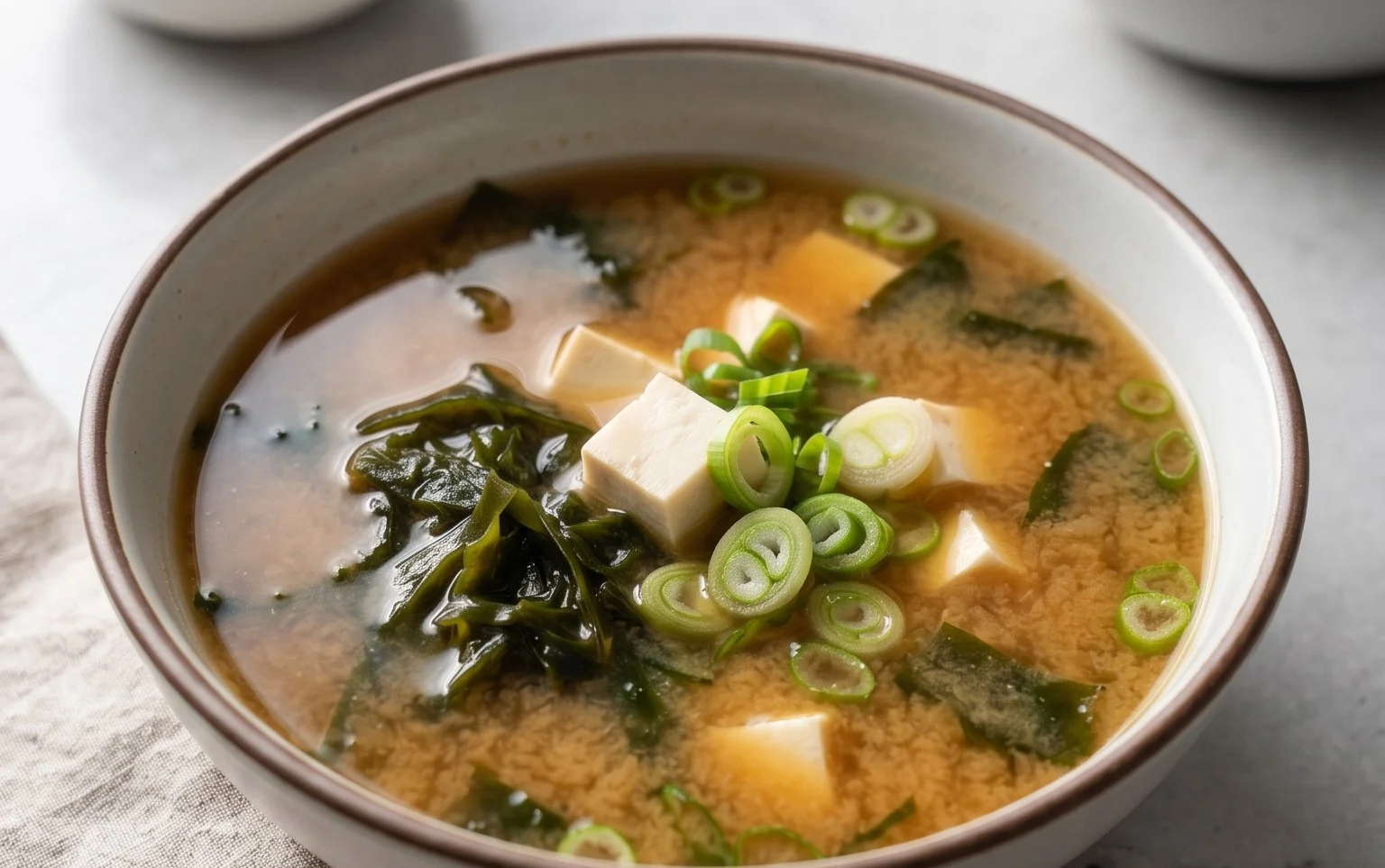
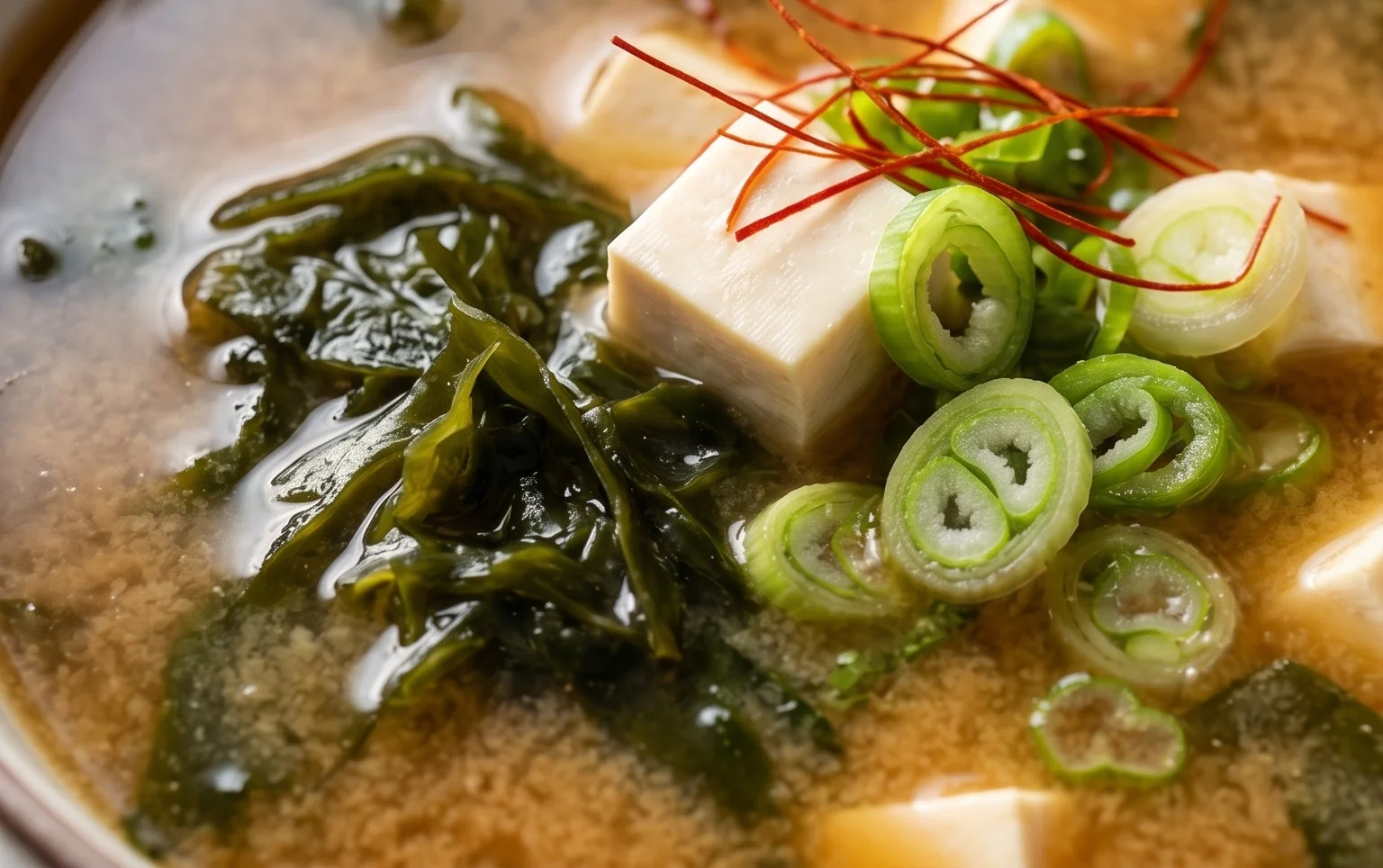
Once your miso is smoothly dissolved in its separate bowl, gently pour this miso mixture back into the main saucepan with the dashi, tofu, and rehydrated seaweed. Stir gently to combine everything. Allow the soup to heat through for another minute or two, but again, do not let it come to a boil. Taste the soup at this point. If you’d like a more pronounced miso flavor, you can dissolve another ½ tablespoon of miso paste in a little more warm dashi and stir it in. Continue to add a little more miso paste at a time until it reaches your desired taste. You’ll notice the soup will have a slightly cloudy appearance from the dissolved miso. Finally, ladle the hot soup into your serving bowls. Garnish generously with your freshly chopped scallions. The vibrant green of the scallions adds a pop of color and a fresh, oniony bite that perfectly complements the rich, savory broth.
Enjoy this simple, nourishing bowl of miso soup. It’s a taste of home, a moment of calm, and a testament to how delicious and easy healthy eating can be.
Conclusion:
There you have it – a straightforward yet incredibly rewarding way to create authentic miso soup right in your own kitchen! This recipe is fantastic because it’s not only deeply flavorful and comforting but also surprisingly quick to prepare, making it an ideal choice for a healthy breakfast, a light lunch, or a soothing accompaniment to any meal. The savory depth of the miso, combined with the delicate umami of the dashi, creates a taste sensation that is both complex and wonderfully familiar.
Serving this delicious miso soup is incredibly versatile. It’s the classic pairing for sushi and rice dishes, of course, but don’t hesitate to enjoy it on its own as a nourishing starter. For variations, consider adding silken tofu for extra protein, rehydrated dried shiitake mushrooms for an earthy kick, or even some fresh baby spinach stirred in at the very end for added nutrients and a vibrant color. Don’t be afraid to experiment with different types of miso paste – white miso (shiro miso) offers a milder, sweeter flavor, while red miso (aka miso) provides a more robust, intense taste. I wholeheartedly encourage you to give this simple yet profound miso soup recipe a try; you’ll be amazed at how easily you can capture the essence of traditional Japanese cuisine at home.
Frequently Asked Questions about Miso Soup:
What is the best kind of miso paste to use?
The “best” miso paste really depends on your personal preference! White miso is milder and slightly sweeter, making it a great starting point for begin extractners. Red miso is more pungent and deeply savory. You can also find awase miso, which is a blend of different types. Feel free to experiment to find your favorite!
Can I make this recipe ahead of time?
While you can prepare the dashi broth ahead of time and store it in the refrigerator, it’s best to add the miso paste and other delicate ingredients just before serving. Miso can lose some of its beneficial probiotics and its flavor can change if boiled for too long.
Miso Soup Recipe
A simple and classic Japanese miso soup, perfect for a light starter or accompaniment.
Ingredients
-
2½ cups Dashi
-
1 heaping tablespoon dried seaweed
-
4 oz silken tofu, cut into small pieces
-
2-2½ tablespoons white miso paste (or to taste)
-
1 tablespoon scallion, chopped
-
1 teaspoon grated fresh ginger
Instructions
-
Step 1
In a medium saucepan, heat the dashi over medium heat. -
Step 2
Add the dried seaweed and simmer for 1-2 minutes until rehydrated. -
Step 3
Reduce the heat to low. In a small bowl, whisk the miso paste with a ladleful of the warm dashi until smooth. -
Step 4
Stir the miso mixture back into the saucepan. -
Step 5
Add the silken tofu and ginger. Gently heat through, but do not boil, as boiling can diminish the miso’s flavor and beneficial properties. -
Step 6
Ladle the soup into bowls and garnish with chopped scallions.
Important Information
Nutrition Facts (Per Serving)
It is important to consider this information as approximate and not to use it as definitive health advice.
Allergy Information
Please check ingredients for potential allergens and consult a health professional if in doubt.