Easy Homemade Bread Recipe- Soft & Delicious
Homemade bread isn’t just food; it’s an experience. There’s an undeniable magic in transforming simple ingredients – flour, water, yeast, and salt – into a warm, fragrant loaf. Think about it: the non-intoxicating aroma that wafts through your kitchen as it bakes, the satisfying crackle of the crust as you slice into it, and the pillowy softness of the interior. It’s no wonder that so many of us are drawn to the art of baking our own bread. This isn’t about a quick fix; it’s about a connection to something primal, a rewarding process that fills your home with comfort and your belly with pure deliciousness. What makes our approach to homemade bread truly special is its simplicity and the incredible depth of flavor you achieve without a fuss. Get ready to fall in love with the humble beauty of homemade bread all over again.

Homemade Bread
There’s a unique magic in baking your own bread. The aroma that fills your kitchen as it bakes is simply non-intoxicating, and the satisfaction of slicing into a warm, crusty loaf that you created with your own two hands is unparalleled. Forget the store-bought loaves; this recipe will guide you through creating a simple, delicious homemade bread that will become a staple in your home. It’s a process that’s both rewarding and surprisingly accessible, even for begin extractner bakers. Don’t be intimidated; with a little patience and these clear steps, you’ll be enjoying fresh bread in no time.
Ingredients:
Getting Started: The Dough
The journey to your perfect loaf begin extracts with activating the yeast. In a large mixing bowl, combine the warm water, yeast, and your chosen sweetener (honey or sugar). Give it a gentle stir. The water temperature is crucial here; too hot and you’ll kill the yeast, too cold and it won’t activate properly. Aim for that sweet spot between 105 and 115 degrees Fahrenheit. Let this mixture sit for about 5 to 10 minutes. You’ll know the yeast is alive and well when it becomes foamy and bubbly on the surface, like a tiny, happy fermentation party is happening. If you don’t see this activity, your yeast might be old or the water temperature was off, and you’ll want to start again with fresh yeast.
Once your yeast is happily frothing, it’s time to add the other wet ingredients. Stir in the salt and the oil. The oil adds a touch of tenderness and richness to the finished bread. Now, we begin extract the slow and steady process of incorporating the flour.
Adding the Flour
Start by adding about 4 cups of the flour to the wet mixture. Using a sturdy spoon or a dough whisk, begin extract to stir everything together. You’ll notice the mixture will start to thicken and become shaggy. Continue adding flour, about 1/2 cup at a time, mixing after each addition, until the dough just starts to pull away from the sides of the bowl. You might not need all 5 1/2 cups of flour, or you might need a little more. The exact amount of flour can depend on the humidity in your kitchen and the type of flour you’re using. The goal is to reach a point where the dough is no longer excessively sticky but is still soft and manageable.
Kneading the Dough
This is where the real magic happens, and it’s where the gluten, the protein network in flour, starts to develop, giving your bread its structure. Turn the dough out onto a lightly floured surface. You can use a clean countertop or a large cutting board. Begin extract to knead the dough. This involves pushing the dough away from you with the heels of your hands, then folding it back over on itself, and repeating. It might feel sticky at first, but resist the urge to add too much extra flour. As you knead, the dough will become smoother, more elastic, and less sticky. Continue kneading for about 8 to 10 minutes. You’re looking for a dough that is smooth, elastic, and springs back slightly when you poke it with your finger. If it’s too sticky, add a tiny bit more flour to your hands and the work surface.
First Rise: The Doubling
Once your dough is beautifully kneaded, it’s time for its first rest and rise. Lightly grease a clean bowl with a little oil. Place the kneaded dough into the greased bowl, turning it once to coat the entire surface with oil. This prevents it from drying out. Cover the bowl tightly with plastic wrap or a damp kitchen towel. Place the bowl in a warm, draft-free place. This could be on your counter if your kitchen is warm, or inside a slightly warmed (and then turned off) oven. Let the dough rise until it has doubled in size, which usually takes about 1 to 1.5 hours. This slow rise allows the yeast to work its magic, developing flavor and creating that wonderful airy texture.
Shaping and Second Rise
Once the dough has doubled, it’s time to give it its final shape. Gently punch down the risen dough to deflate it. Turn it out onto a lightly floured surface again. At this stage, you can shape it into a round loaf, a long baguette, or whatever shape you desire for your baking pan. For a standard loaf pan, gently pat or roll the dough into a rectangle, then roll it up tightly from one end to the other, pinching the seam closed. Place the shaped loaf into a greased loaf pan, seam-side down.
Now, for the second rise. Cover the loaf pan loosely with plastic wrap or a damp towel and let it rise again in a warm place for another 30 to 45 minutes, or until the dough has risen about an inch above the rim of the pan. This second rise is important for achieving a light and airy crum extractb.
Baking Your Masterpiece
Preheat your oven to 375 degrees Fahrenheit (190 degrees Celsius) while your bread is doing its second rise. Once the dough has completed its second rise, you can optionally brush the top with a little milk or an egg wash for a golden-brown crust, and perhaps sprinkle with seeds if you like. Carefully place the loaf pan into the preheated oven. Bake for 30 to 40 minutes, or until the crust is a beautiful deep golden brown and the internal temperature of the bread reaches around 200-210 degrees Fahrenheit (93-99 degrees Celsius) when tested with an instant-read thermometer. You can also tap the bottom of the loaf; it should sound hollow.
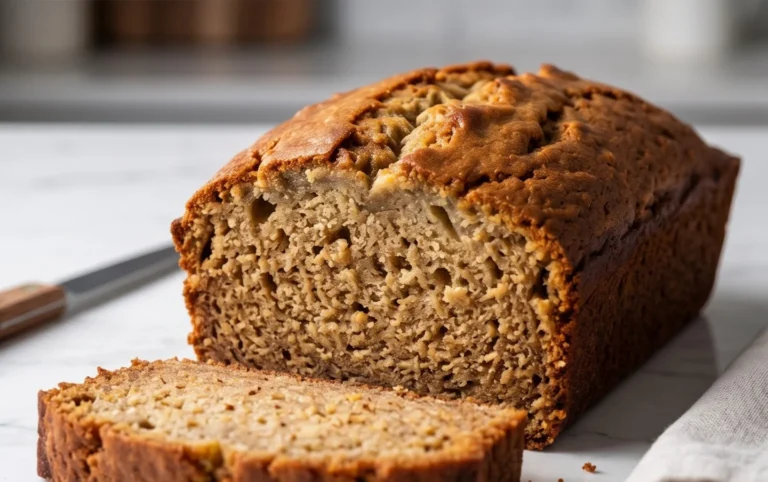
Once baked, remove the bread from the oven and immediately turn it out of the pan onto a wire rack to cool completely. This step is crucial to prevent the bottom crust from becoming soggy. Resist the urge to slice into it immediately! Letting it cool allows the internal structure to set, resulting in a better texture and flavor. Enjoy the fruits of your labor!

Conclusion:
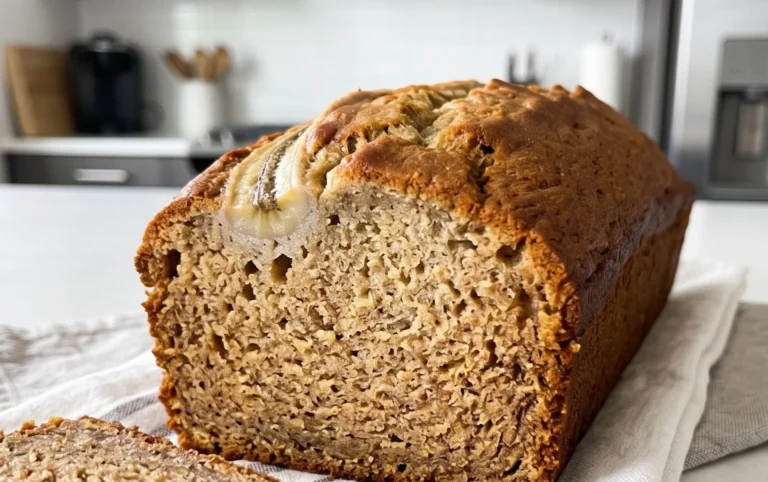
You’ve now got all the tools and insights to bake your very own delicious loaf of homemade bread! This recipe is fantastic because it demystifies the bread-making process, proving that you don’t need fancy equipment or years of experience to achieve a wonderfully crusty exterior and a soft, airy interior. The satisfaction of pulling a warm, fragrant loaf out of your oven is truly unparalleled, and it’s surprisingly simple to achieve with a little patience and love. Imagin extracte the aroma filling your kitchen – it’s an experience that elevates any meal. Don’t be intimidated; embrace the journey!
This versatile homemade bread is perfect served simply with butter, alongside hearty soups and stews, or as the foundation for gourmet sandwiches. For variations, consider adding herbs like rosemary or thyme to the dough, incorporating seeds like sesame or poppy for extra texture and flavor, or even a swirl of garlic and cheese before baking. I truly encourage you to give this recipe a try. You’ll be amazed at what you can create, and the compliments you’ll receive will be the cherry on top!
Frequently Asked Questions:
Why is my bread not rising properly?
Several factors can affect dough rise. Ensure your yeast is fresh and active (test it in warm water with a pinch of sugar – it should bubble). Check that your water temperature for activating the yeast isn’t too hot (which kills it) or too cold (which slows it down). Also, make sure you’ve allowed enough time for the dough to rise in a warm, draft-free spot.
Can I make this bread ahead of time?
Absolutely! Once the bread is completely cooled, you can store it in an airtight container or bread bag at room temperature for 2-3 days. For longer storage, it freezes beautifully. Wrap the cooled loaf tightly in plastic wrap, then in foil, and freeze for up to 3 months. Thaw at room temperature and re-crisp in a low oven if desired.
Homemade Bread
A simple and delicious recipe for classic homemade bread, perfect for sandwiches or toasting.
Ingredients
-
2 cups warm water (105-115 degrees)
-
1 Tablespoons active dry yeast
-
1/4 cup honey
-
2 teaspoons salt
-
2 Tablespoons canola oil
-
4 cups all-purpose flour
Instructions
-
Step 1
In a large bowl, combine warm water, honey, and yeast. Let it sit for 5-10 minutes until foamy. -
Step 2
Stir in salt and oil. -
Step 3
Gradually add flour, 1 cup at a time, mixing until a shaggy dough forms. Turn out onto a lightly floured surface. -
Step 4
Knead the dough for 8-10 minutes until smooth and elastic. If the dough is too sticky, add a little more flour. -
Step 5
Place the dough in a lightly oiled bowl, cover, and let it rise in a warm place for 1-1.5 hours, or until doubled in size. -
Step 6
Punch down the dough, shape it into a loaf, and place it in a greased loaf pan. Cover and let rise for another 30-45 minutes. -
Step 7
Preheat oven to 375°F (190°C). Bake for 30-35 minutes, or until golden brown and the internal temperature reaches 190-200°F (88-93°C). -
Step 8
Remove from pan and let cool on a wire rack before slicing.
Important Information
Nutrition Facts (Per Serving)
It is important to consider this information as approximate and not to use it as definitive health advice.
Allergy Information
Please check ingredients for potential allergens and consult a health professional if in doubt.