Easy Chimichurri Sauce Recipe- Flavorful & Fresh
Chimichurri sauce recipe secrets are about to be unveiled! This vibrant, herbaceous condiment isn’t just a sauce; it’s an experience. Imagin extracte the bright, zesty kick cutting through the richness of grilled steak, the fresh parsley and oregano awakening your palate, and the subtle warmth of garlic and chili dancing on your tongue. It’s no wonder this Argentinian staple has captured hearts (and taste buds) worldwide. What makes this chimichurri sauce recipe so special? It’s its incredible versatility and its ability to elevate simple ingredients into something truly extraordinary. Whether you’re marinating meats, drizzling over roasted vegetables, or even stirring into dips, this magical green sauce transforms the mundane into the magnificent. Get ready to discover how easily you can whip up this crowd-pleasing condiment at home.
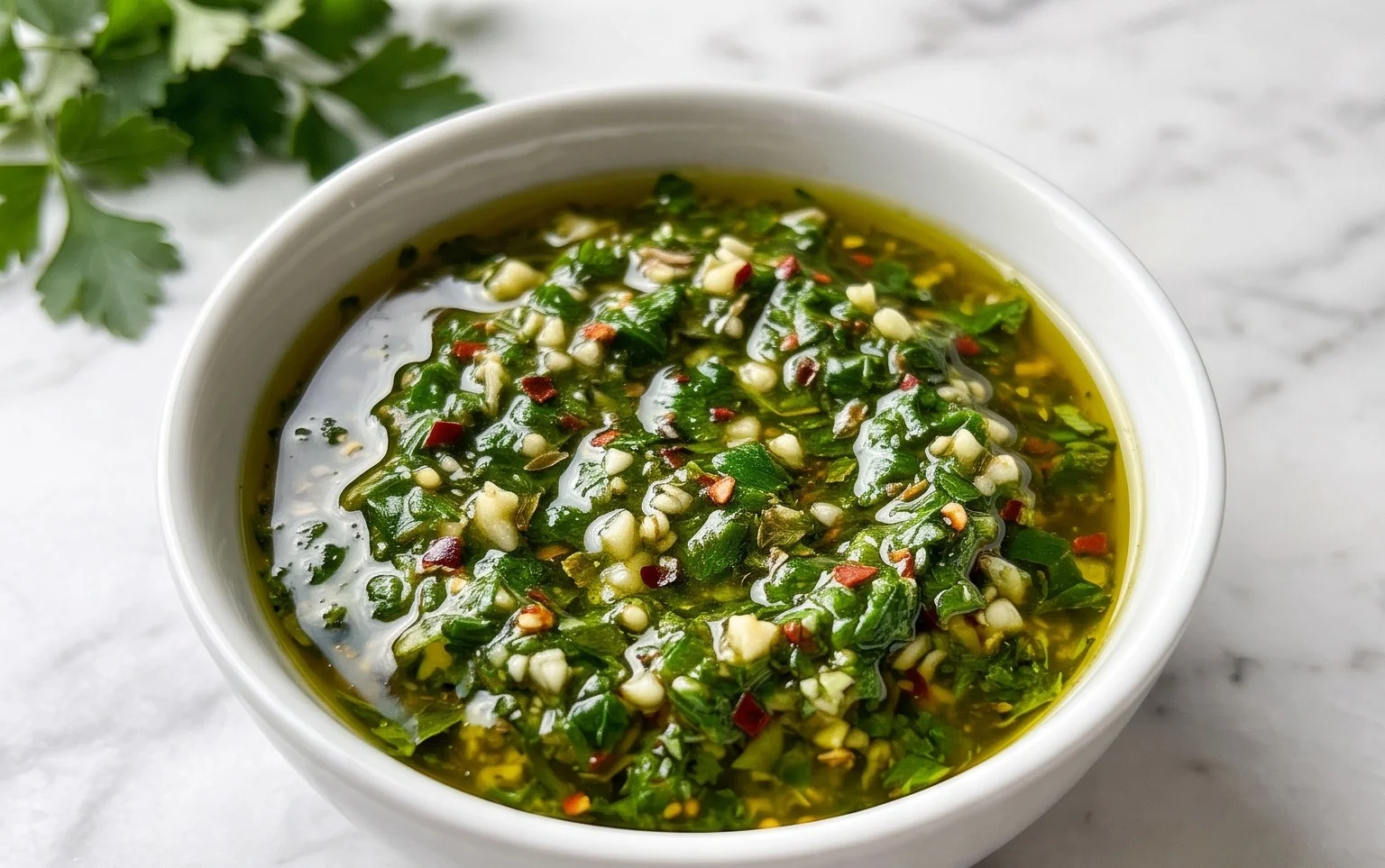
Chimichurri Sauce Recipe
Chimichurri is one of those magical sauces that can instantly elevate any dish. Hailing from Argentina and Uruguay, this vibrant green condiment is typically served with grilled meats, but its zesty, herbaceous flavor profile makes it incredibly versatile. Think of it as a more sophisticated, herb-forward cousin to pesto, packed with freshness and a delightful tang. I love making a batch of chimichurri to have on hand – it’s perfect for marinating chicken, drizzling over fish, spooning onto roasted vegetables, or even as a dip for crusty bread. The beauty of chimichurri lies in its simplicity and the quality of its fresh ingredients. Let’s dive into how to create this powerhouse of flavor in your own kitchen.
Ingredients:
Making Your Chimichurri: Step-by-Step
The process of making chimichurri is wonderfully straightforward, relying more on fresh ingredients and a good chop (or pulse) than on complex cooking techniques. We’re aiming for a rustic, slightly chunky texture that showcases the individual flavors of the herbs and aromatics.
Step 1: Preparing the Fresh Herbs
First things first, we need to get our herbs ready. It’s crucial to use fresh herbs for the best flavor and vibrant color. For the parsley, cilantro, and oregano, gently wash them and pat them thoroughly dry with paper towels. Moisture is the enemy of a good sauce, especially when you’re aiming for it to last. Once dry, strip the leaves from their stems. The stems can be tough and fibrous, detracting from the smooth texture we want. You’ll need a generous cup of fresh parsley leaves, which might seem like a lot, but they wilt down significantly. Similarly, measure out your cilantro and oregano leaves. Place all these beautiful green leaves into the bowl of a food processor. If you don’t have a food processor, don’t worry! You can achieve a similar result by finely chopping everything by hand, though it will take a bit more time and effort.
Step 2: Adding the Aromatics and Spice
Next, we add the flavor boosters. Take your roughly chopped red onion or shallots and add them to the food processor with the herbs. Red onion provides a sharper bite, while shallots offer a more delicate, sweeter onion flavor. Choose whichever you prefer or have on hand. Then, add your peeled garlic cloves. Garlic is essential for that characteristic punch in chimichurri. Don’t be shy with it! For a touch of heat, sprinkle in the red pepper flakes. If you prefer a milder sauce, you can start with just 1/4 teaspoon and add more to taste later. The amount of red pepper flakes can be adjusted based on your spice tolerance.
Step 3: Pulsing to Perfection
Now it’s time to get everything working together. Secure the lid on your food processor and pulse the ingredients several times. You want to break everything down until it’s finely chopped and starting to come together, but not completely pureed into a paste. Think of a nice, coarse chop – you should still be able to see distinct pieces of herbs and onion. If you’re doing this by hand, continue to finely mince all the herbs, onion, and garlic together until you reach this texture. Be patient; the goal is a beautiful, textured sauce, not baby food.
Step 4: Introducing the Liquids and Seasoning
Once you have your finely chopped herb and aromatic mixture, it’s time to introduce the wet ingredients and seasoning. Slowly drizzle in the extra-virgin extract olive oil while the food processor is running (if you’re using one). If you’re working by hand, you can add the oil to your chopped mixture in a bowl. Follow with the red grape juice vinegar and the fresh lemon juice. The vinegar provides a lovely tang that cuts through the richness of the oil and brightens the herbs, while the lemon juice adds another layer of zesty freshness. Finally, add the kosher salt. Kosher salt has larger, flakier crystals that dissolve well and provide a clean saltiness.
Step 5: Final Blending and Adjusting
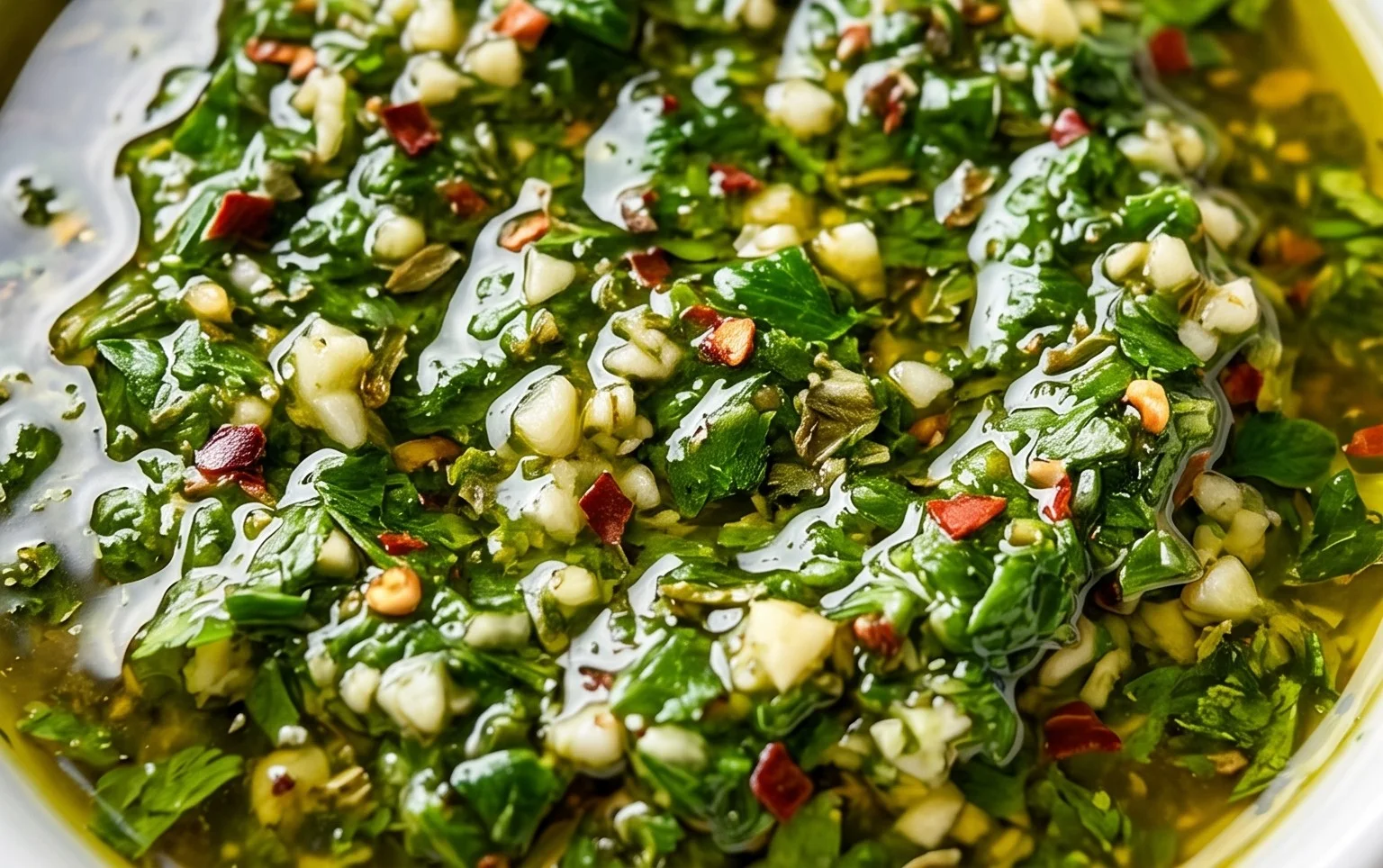
Continue to pulse or mix everything until it’s well combined and the sauce reaches your desired consistency. You’re looking for a vibrant green sauce that’s still slightly chunky but holds together. It should be a beautiful emulsion of oil, vinegar, and finely chopped ingredients. Taste your chimichurri at this stage. This is where you can really personalize it. Does it need more salt? A little more tang from the vinegar or lemon juice? Perhaps a touch more heat from red pepper flakes? Adjust the seasonings as needed until it sings to your palate. If the sauce seems a little too thick, you can add another tablespoon of olive oil or a splash of water to loosen it up. Once you’re happy with the flavor, transfer your glorious chimichurri to a clean jar or airtight container.
Storage and Serving Suggestions
Chimichurri is best enjoyed fresh, but it will keep in the refrigerator for up to a week, its flavors actually deepening over time. The oil and vinegar act as preservatives. Give it a good stir before serving, as the ingredients may separate slightly. This sauce is incredibly versatile. Drizzle it generously over grilled steaks, chicken, beef, or fish. It’s also fantastic with roasted vegetables like potatoes, Brussels sprouts, or bell peppers. Don’t underestimate its power as a marinade – toss your proteins in chimichurri for at least 30 minutes before cooking for an incredible flavor infusion. You can even use it as a vibrant topping for tacos or as a zesty spread on sandwiches. Enjoy the incredible freshness and flavor you’ve created!
Conclusion:
And there you have it – your guide to making a vibrant and flavorful Chimichurri Sauce recipe that’s sure to elevate any dish! This classic Argentinean condiment is a true kitchen superhero, offering a burst of fresh herbaceousness, a hint of garlicy warmth, and a bright, zesty finish. Its simplicity is part of its genius; with just a few fresh ingredients and minimal effort, you can unlock a world of culinary possibilities. I truly believe this chimichurri is a game-changer, perfect for marinating, drizzling, or dipping. Don’t hesitate to try it; you’ll be amazed at how often you reach for it!
This versatile sauce is a natural partner for grilled meats like steak, chicken, and lamb, but its magic extends far beyond. Try it on roasted vegetables, fish tacos, as a pesto substitute on pasta, or even swirled into a hearty lentil soup. For a slight twist, consider adding a pinch of red pepper flakes for a subtle kick, or a touch of Dijon mustard for added complexity. Get creative and make this chimichurri your own!
Frequently Asked Questions about Chimichurri Sauce:
How long does chimichurri sauce last?
When stored properly in an airtight container in the refrigerator, your fresh chimichurri sauce should last for about 3 to 5 days. The vibrant green color might deepen slightly over time, but the flavor will remain excellent. Always give it a good stir before serving.
Can I make chimichurri sauce ahead of time?
Absolutely! In fact, letting the flavors meld for a few hours or even overnight in the refrigerator can enhance its deliciousness. This makes it a perfect make-ahead option for gatherings or busy weeknights.
What if I don’t have fresh parsley? Can I use dried herbs?
While fresh herbs are key to the signature brightness of chimichurri, you can use dried herbs in a pinch. You’ll need significantly less dried parsley (about 1 tablespoon) and oregano (about 1 teaspoon). However, the flavor profile will be less vibrant and fresh, so fresh is always preferred for the best chimichurri sauce.
Chimichurri Sauce Recipe
A vibrant and herbaceous Argentinian sauce perfect for grilled meats and vegetables.
Ingredients
-
1 cup fresh Italian flat-leaf parsley, leaves only, stems removed
-
1/4 cup fresh cilantro, leaves only, stems removed
-
1/4 cup fresh oregano, leaves only, stems removed
-
1/3 cup roughly chopped red onion
-
3 cloves garlic, peeled
-
1/2 teaspoon red pepper flakes
-
1/2 cup extra-virgin olive oil
-
1/4 cup red grape juice vinegar
-
3 tablespoons fresh lemon juice
-
1 teaspoon kosher salt
Instructions
-
Step 1
Finely chop the parsley, cilantro, and oregano. -
Step 2
Mince the red onion and garlic. -
Step 3
In a medium bowl, combine the chopped herbs, minced onion, minced garlic, and red pepper flakes. -
Step 4
Pour in the extra-virgin olive oil, red grape juice vinegar, and fresh lemon juice. Stir to combine. -
Step 5
Add the kosher salt and mix well. Taste and adjust seasoning if needed. -
Step 6
For best flavor, let the chimichurri sauce rest for at least 30 minutes at room temperature before serving, or refrigerate for longer storage.
Important Information
Nutrition Facts (Per Serving)
It is important to consider this information as approximate and not to use it as definitive health advice.
Allergy Information
Please check ingredients for potential allergens and consult a health professional if in doubt.