Lemon Blueberry Sourdough Bread – Easy & Delicious
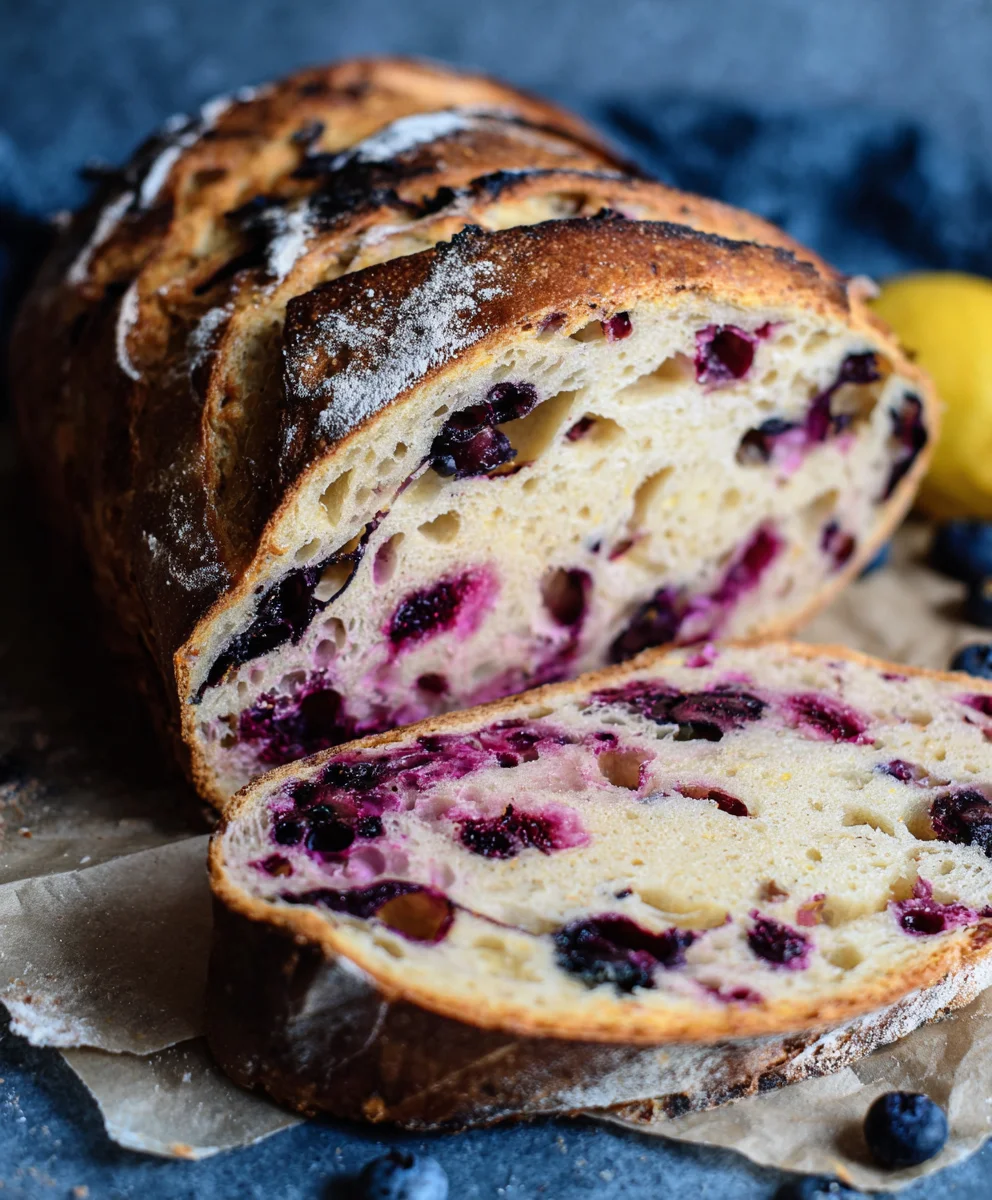
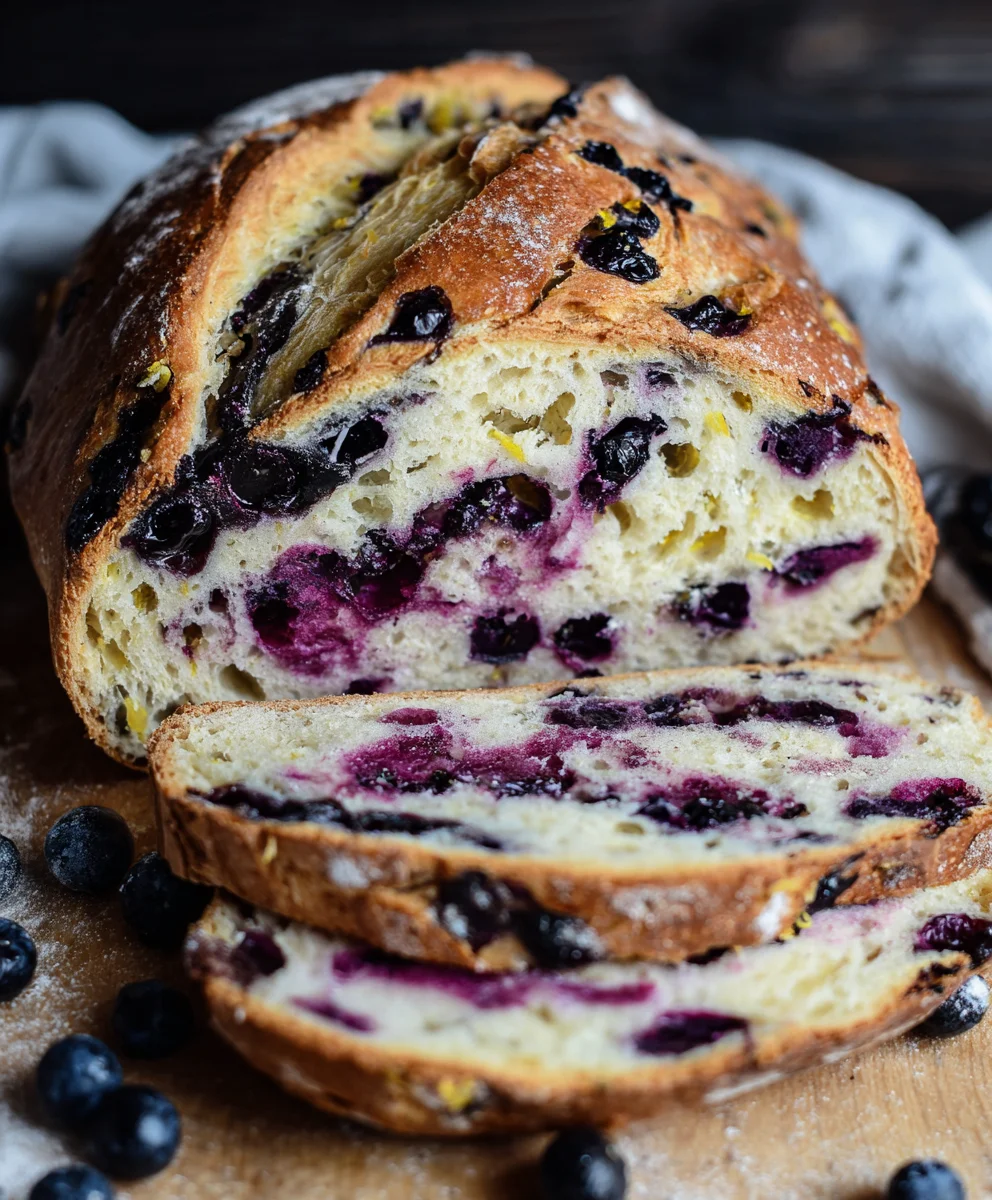
Lemon Blueberry Sourdough Bread Recipe. Oh, that glorious aroma! There’s something truly magical about a perfectly baked loaf of sourdough, and when you infuse it with the bright zest of lemon and the sweet burst of fresh blueberries, you’ve created a masterpiece. This Lemon Blueberry Sourdough Bread Recipe is more than just breakfast or a delightful snack; it’s an experience. People absolutely adore this bread because it perfectly balances the tangy, complex flavor of sourdough with the comforting sweetness of berries and the invigorating zing of citrus. It’s that unique combination of rustic charm and vibrant, fresh flavors that makes it so incredibly special and utterly irresistible. Get ready to elevate your sourdough game with this unforgettable treat!
Ingredients:
- 50g active sourdough starter
- 350g water
- 500g bread flour
- 11g salt
- 150g fresh blueberries
- zest of a lemon
- 8 Tablespoons butter, room temperature (113g)
- 1/2 cup fresh blueberries, mashed (75g)
- 2 Tablespoons honey (45g)
- a pinch of salt
Preparing the Dough
Autolyse
Let’s begin extract by creating a simple autolyse. This step helps to hydrate the flour and kickstart gluten development, making your dough easier to handle. In a large mixing bowl, combine the 500g of bread flour and 350g of water. Mix them together with a spatula or your hands until just combined. It will look shaggy and there will still be dry bits of flour, and that’s perfectly fine. Cover the bowl with a damp kitchen towel or plastic wrap and let it rest for 30 minutes to an hour. This resting period is crucial for the flour to absorb the water, which will make the dough more extensible and easier to work with in the subsequent steps.
Mixing the Dough
After the autolyse period, add your 50g of active sourdough starter and 11g of salt to the dough. Now, it’s time to get your hands in there and mix thoroughly. You want to ensure the starter and salt are evenly distributed throughout the dough. I like to use a “pincer” or “stretch and fold” method to really incorporate everything. Pinch the dough between your thumb and forefinger to break it up and help the starter and salt work their way in. Continue this for about 5-10 minutes until everything feels well incorporated. The dough will still be a bit sticky, but you should notice it starting to become smoother and more cohesive. Cover the bowl again and let it rest for 30 minutes.
Developing the Dough
Stretch and Folds
Now, gin extractll begin the process of developing the gluten structure through a series of stretch and folds. This is a gentle way to build strength in the dough without kneading. For the first set of stretch and folds, wet your hands slightly to prevent sticking. Reach under one side of the dough, lift it up gently, and fold it over onto itself towards the center. Rotate the bowl a quarter turn and repeat this process three more times, for a total of four folds. You’ll notice the dough becoming smoother and more elastic with each set. Cover the bowl and let it rest for another 30 minutes. We will repeat this stretch and fold process a total of four times, with 30-minute intervals in between each set. As you continue, you’ll see the dough become progressively smoother, stronger, and hold its shape better. It should start to pull away from the sides of the bowl more cleanly.
Adding the Flavorings
Once you’ve completed your fourth set of stretch and folds, it’s time to introduce the delicious lemon and blueberry flavors. Gently incorporate the zest of one lemon into the dough. Ensure it’s spread evenly throughout. Next, add your 150g of fresh blueberries. Be careful not to crush them too much at this stage, as we want some whole berries for bursts of flavor and texture. Work them into the dough using your hands, again using gentle folding and pinching motions. You don’t need to overmix; the goal is to distribute the blueberries and lemon zest without deflating the dough too much. After incorporating the blueberries and zest, let the dough rest, covered, for another 30 minutes before proceeding to the shaping stage.
Shaping and Baking
Pre-shaping and Bench Rest
After the final rest, gently tip the dough out onto a lightly floured surface. Avoid using too much flour, as we want the dough to have some grip. Lightly wegin extractour hands. Begin to pre-shape the dough by gently pulling the edges towards the center, creating a taut ball. Turn the dough seam-side down. Let the dough rest, uncovered, for about 20-30 minutes. This bench rest allows the gluten to relax, making the final shaping much easier. You’ll notice the dough will spread out a bit during this rest.
Final Shaping and Cold Proofing
Now it’s time for the final shaping. If you are making a boule (round loaf), gently cup your hands around the dough and rotate it on the counter to create surface tension. If you’re making a batard (oval loaf), you’ll fold it like an envelope and then roll it to create tension. The goal is to create a smooth, taut surface on top of the dough. Carefully place the shaped dough, seam-side up, into a well-floured banneton or a bowl lined with a floured tea towel. Cover the banneton and place it in the refrigerator for a cold proof, ideally for 12-24 hours. This long, cold fermentation develops incredible flavor and makes the dough easier to score. Don’t worry if it looks a bit flat; it will bloom in the oven.
Baking the Lemon Blueberry Sourdough Bread
When you’re ready to bake, preheat your oven to 450°F (230°C) with a Dutch oven or baking vessel inside for at least 30 minutes. Once the oven and Dutch oven are preheated, carefully remove the Dutch oven and invert your dough onto a piece of parchment paper. Gently score the top of the dough with a sharp blade or lame. You can create any pattern you like; a simple cross or a few slashes will do. Carefully lift the parchment paper with the dough and lower it into the hot Dutch oven. Cover with the lid and bake for 20 minutes. After 20 minutes, remove the lid, reduce the oven temperature to 425°F (220°C), and continue baking for another 25-30 minutes, or until the crust is a deep golden brown and the internal temperature reaches around 205-210°F (96-99°C). The aroma will be absolutely divine!
Finishing Touches
Lemon Blueberry Butter
While your bread is cooling, let’s prepare a simple, yet delicious, lemon blueberry butter to serve with it. In a small bowl, combine the 8 tablespoons of softened butter (room temperature), the 1/2 cup of mashed fresh blueberries, the 2 tablespoons of honey, and a pinch of salt. Mix everything together thoroughly until well combined and creamy. The mashed blueberries will give it a beautiful color and a lovely fruity note, while the honey adds a touch of sweetness that complements the lemon and blueberry in the bread. Taste and adjust sweetness if needed. This butter is the perfect accompaniment to the slightly tangy sourdough and the bright flavors of the lemon and blueberries.
Cooling and Serving
It is crucial to let your Lemon Blueberry Sourdough Bread cool completely on a wire rack before slicing. This allows the internal crum extractb structure to set properly. Slicing into a hot loaf can result in a gummy texture. Once cooled, slice generously and spread with your prepared lemon blueberry butter. The combination of the warm, crusty bread with the cool, sweet, and tangy butter is simply heavenly. Enjoy the fruits of your labor!
Conclusion:
You’ve now mastered the art of creating the Lemon Blueberry Sourdough Bread Recipe, a truly delightful loaf that perfectly balances the tangy notes of sourdough with the sweet burst of blueberries and the zesty brightness of lemon. This recipe is more than just a bake; it’s an experience that rewards your patience with a stunning, flavorful bread. Whether you’re a seasoned sourdough baker or new to the starter game, this recipe is designed to be approachable and utterly satisfying. The aroma alone as it bakes is enough to fill your home with warmth and anticnon-alcoholic ipation. Enjoy slicing into that golden crust and revealing the tender, studded crum extractb within. This Lemon Blueberry Sourdough Bread Recipe is perfect on its own, but it also shines when served toasted with a smear of butter, a drizzle of honey, or even alongside a fresh fruit salad. Don’t be afraid to experiment with other berries or add a touch of lavender for an even more sophisticated twist!
Frequently Asked Questions:
Q: Can I use frozen blueberries in this Lemon Blueberry Sourdough Bread Recipe?
A: Absolutely! If using frozen blueberries, it’s best to toss them with a tablespoon of flour from your recipe before folding them into the dough. This helps prevent them from bleeding too much color inrum extractthe crumb and also reduces the risk of them sinking to the bottom. Ensure they are thoroughly defrosted before incorporating if you prefer not to coat them in flour.
Q: My sourdough starter isn’t very active. Will this Lemon Blueberry Sourdough Bread Recipe still work?
A: A vigorous and active sourdough starter is crucial for a good rise and the characteristic sourdough tang in this Lemon Blueberry Sourdough Bread Recipe. If your starter is sluggish, I highly recommend feeding it consistently for a few days until it reliably doubles in size within 4-6 hours of feeding. A weak starter will likely result in a dense loaf.
Lemon Blueberry Sourdough Bread – Easy & Delicious
A delightful and easy-to-make sourdough bread infused with bright lemon zest and bursts of fresh blueberries, complemented by a homemade lemon blueberry butter.
Ingredients
-
50g active sourdough starter
-
350g water
-
500g bread flour
-
11g salt
-
150g fresh blueberries
-
zest of a lemon
-
8 Tablespoons butter, room temperature (113g)
-
1/2 cup fresh blueberries, mashed (75g)
-
2 Tablespoons honey (45g)
-
a pinch of salt
Instructions
-
Step 1
Autolyse: In a large mixing bowl, combine 500g bread flour and 350g water. Mix until just combined, cover, and let rest for 30 minutes to an hour. -
Step 2
Mixing the Dough: Add 50g active sourdough starter and 11g salt to the autolysed dough. Mix thoroughly using a pincer or stretch and fold method for 5-10 minutes until well incorporated. Cover and rest for 30 minutes. -
Step 3
Stretch and Folds: Perform four sets of stretch and folds with 30-minute intervals in between. Wet hands slightly, lift one side of the dough, fold it to the center, rotate the bowl, and repeat three more times for a total of four folds per set. The dough will become smoother and stronger. -
Step 4
Adding Flavorings: Gently incorporate the zest of one lemon and 150g fresh blueberries into the dough. Work them in using gentle folding and pinching motions. Let the dough rest, covered, for another 30 minutes. -
Step 5
Shaping and Cold Proofing: Gently tip the dough onto a lightly floured surface. Pre-shape into a taut ball and let rest for 20-30 minutes. Then, perform the final shaping into a boule or batard, place seam-side up into a floured banneton or lined bowl, cover, and refrigerate for 12-24 hours for cold proofing. -
Step 6
Baking: Preheat oven to 450°F (230°C) with a Dutch oven inside for at least 30 minutes. Invert the dough onto parchment paper, score the top, and carefully place into the hot Dutch oven. Bake covered for 20 minutes. Remove lid, reduce oven temperature to 425°F (220°C), and bake for another 25-30 minutes until deep golden brown. -
Step 7
Lemon Blueberry Butter: While bread cools, combine 8 tablespoons softened butter, 1/2 cup mashed blueberries, 2 tablespoons honey, and a pinch of salt. Mix until well combined and creamy. -
Step 8
Cooling and Serving: Let the bread cool completely on a wire rack before slicing. Serve generously sliced with the prepared lemon blueberry butter.
Important Information
Nutrition Facts (Per Serving)
It is important to consider this information as approximate and not to use it as definitive health advice.
Allergy Information
Please check ingredients for potential allergens and consult a health professional if in doubt.