Crème Brûlée French Toast – Decadent Breakfast Treat
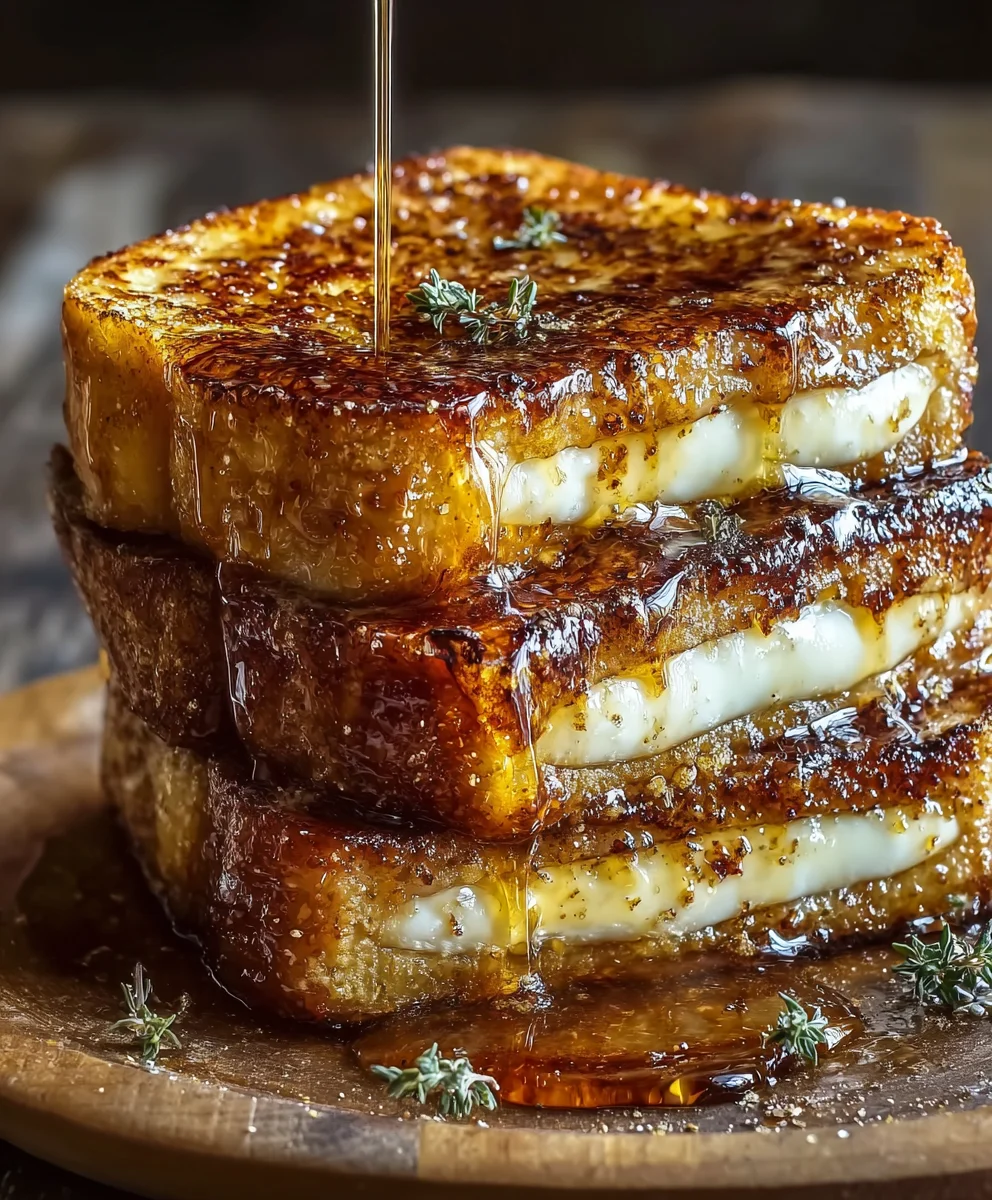
Crème Brûlée French Toast is more than just breakfast; it’s an indulgent experience that transforms your morning into a decadent dessert. Imagin extracte the crisp, caramelized sugar crackling under your fork, giving way to impossibly soft, custardy bread bathed in a rich eggy custard, just like its namenon-alcoholic sake. This isn’t your average soggy French toast. What truly sets Crème Brûlée French Toast apart is the magical marriage of two beloved classics. We’ve taken the soul-warming comfort of thick-cut brioche, soaked it in a luxurious vanilla bean and heavy cream mixture, and then treated it to the signature sugar-scorching technique that makes crème brûlée so irresistible. It’s that satisfying crunch followed by the meltingly tender interior that has people falling in love with this dish, making every bite a celebration of textures and flavors. Get ready to elevate your brunch game to an art form with this spectacular recipe!
Ingredients:
- 1 loaf of brioche or challah bread, sliced into 12-14 thick pieces (about 1 inch thick)
- 4 large eggs
- 1 cup whole milk (you can substitute with almond milk or oat milk if you prefer a dairy-free option)
- 1/2 cup heavy cream (half-and-half also works beautifully here for a slightly lighter texture)
- 1/2 cup granulated sugar (for that classic sweetness, or use brown sugar for a richer, molasses-like note)
- 1 tablespoon pure vanilla extract (or 1 teaspoon vanilla bean paste for an even more intense vanilla flavor)
- 1/2 teaspoon ground cinnamon (a warm spice that complements the sweetness perfectly, or try nutmeg for a different spiced profile)
- A generous pinch of salt (this is crucial for balancing the sweetness and enhancing all the other flavors)
Preparing the Crème Brûlée Custard
The heart of our Crème Brûlée French Toast lies in a luscious, custard-like batter. This step is where we infuse the bread with all those delightful flavors.
- In a large, shallow dish or a pie plate – something wide enough to comfortably dip your bread slices – crack the 4 large eggs. Whisk them vigorously with a fork or a whisk until the yolks and whites are completely combined and the mixture is frothy. Don’t be shy with the whisking; incorporating a good amount of air will contribute to a lighter texture in the final French toast.
- Next, pour in the 1 cup of whole milk and the 1/2 cup of heavy cream. Whisk these liquids into the eggs until everything is smoothly integrated. This combination of milk and cream creates a rich, decadent base that is reminiscent of a classic crème brûlée. If you’re using dairy-free milk, ensure it’s well-mixed.
- Now, add the 1/2 cup of granulated sugar, the 1 tablespoon of vanilla extract, and the 1/2 teaspoon of ground cinnamon. Add that essential pinch of salt. Whisk everything together thoroughly. You want to make sure the sugar has mostly dissolved and all the spices are evenly distributed throughout the custard. Taste a tiny bit of the raw batter (if you’re comfortable doing so with raw eggs) to adjust sweetness or spice if needed, but remember the flavors will intensify as it cooks. Let this mixture sit for about 5-10 minutes, allowing the flavors to meld together.
Soaking and Cooking the French Toast
This is where the magic happens! The soaking time is crucial for achieving that perfect balance of custardy interior and slightly crisp exterior.
- Now it’s time to introduce the bread to its flavorful bath. Carefully place 2-3 slices of your brioche or challah bread into the custard mixture. Let each slice soak for at least 1 minute per side. It’s important not to overcrowd the dish; you want each slice to be fully submerged and absorb the custard evenly. You’ll see the bread start to soften and absorb the liquid. Resist the urge to soak them for too long, especially if your bread is very fresh and soft, as it can become too soggy and difficult to handle. The ideal soak allows the bread to become saturated but still hold its shape. Once soaked, gently lift each slice out, letting any excess custard drip back into the dish for a moment before transferring it to a clean plate or a wire rack. Repeat with the remaining bread slices, working in batches.
- Heat a large non-stick skillet or a griddle over medium heat. Add about 1 tablespoon of butter (or your preferred cooking oil) to the hot pan. Once the butter is melted and slightly sizzling, carefully place the soaked bread slices into the skillet. You may need to cook them in batches to avoid overcrowding the pan, which can lead to uneven browning and steaming rather than crisping. Cook for about 3-4 minutes per side, or until each slice is golden brown and beautifully caramelized. Keep an eye on the heat; if the pan is too hot, the outside will burn before the inside is cooked through. Adjust the heat as needed. The goal is a lovely, golden crust on both sides, with the interior remaining soft and custardy.
- As each batch of French toast finishes cooking, transfer it to a warm plate. You can place them in a slightly warmed oven (around 200°F / 95°C) to keep them warm while you cook the remaining slices. This ensures everyone gets perfectly warm and delicious French toast. If you notice the pan is getting dry between batches, add another small pat of butter.
Finishing Touches for the Crème Brûlée Experience
The final steps elevate this from delicious French toast to a true Crème Brûlée French Toast experience.
- Once all your French toast slices are cooked and ready, it’s time for the pièce de résistance: the caramelized sugar topping. You have a couple of options here. For a classic crème brûlée finish, sprinkle about 1-2 teaspoons of granulated sugar evenly over the top of each warm French toast slice. Then, using a kitchen torch, carefully caramelize the sugar until it forms a crisp, golden-brown crust. Move the torch constantly to avoid burning. If you don’t have a kitchen torch, you can carefully broil the French toast slices on a baking sheet under a preheated broiler for a minute or two, watching them very closely, until the sugar caramelizes. This method requires extreme caution to prevent burning. The crackle of the caramelized sugar is what makes this dish so special!
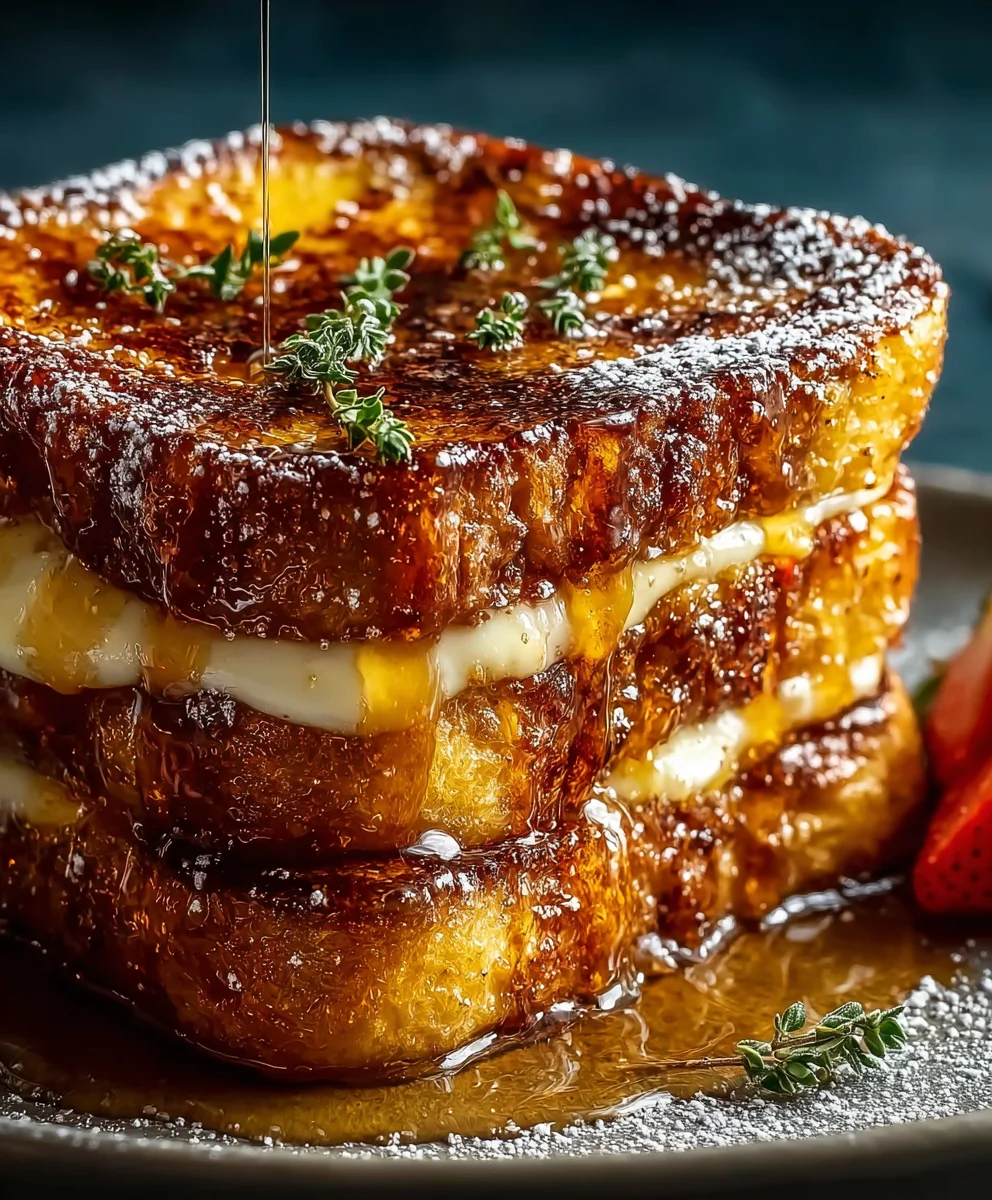
- Serve your Crème Brûlée French Toast immediately while the sugar crust is still warm and crisp. Classic toppings include a dusting of powdered sugar, a dollop of whipped cream, and fresh berries like raspberries or blueberries. A drizzle of maple syrup is also a welcome addition for those who enjoy extra sweetness. The combination of the soft, custardy interior, the crispy caramelized sugar, and your favorite toppings creates an unforgettable breakfast or brunch treat.
Conclusion:
You’ve now mastered the art of creating the most decadent and delightful Crème Brûlée French Toast! We’ve walked through each step, from preparing the rich custard soak to achieving that perfect caramelized sugar crust. This isn’t just breakfast; it’s an experience, a luxurious start to your day that feels like a special occasion. Imagin extracte the satisfying crack of the brûléed sugar giving way to the tender, eggy bread beneath – pure bliss!
To truly elevate your Crème Brûlée French Toast, consider serving it with a dollop of fresh whipped cream, a scattering of fresh berries, or a drizzle of maple syrup. For variations, you can infuse the custard with a touch of cinnamon, nutmeg, or even a hint of orange zest for an extra layer of flavor. Don’t be afraid to experiment with different types of bread too; challah or brioche will yield wonderfully rich results.
We encourage you to give this recipe a try. It’s surprisingly straightforward, and the reward is an unforgettable dish. Enjoy every delicious bite of your homemade Crème Brûlée French Toast!
Frequently Asked Questions:
Q1: Can I make the Crème Brûlée French Toast ahead of time?
Yes, you can definitely prepare the French toast the night before. After soaking the bread, cover it tightly and refrigerate. When you’re ready to cook, proceed with the recipe as usual, just be aware it might take a minute or two longer to cook through. The key is the custard soak; the bread will absorb it beautifully overnight.
Q2: What kind of bread is best for Crème Brûlée French Toast?
For the richest and most custardy result, we recommend using a dense, slightly sweet bread that can hold up to the soak. Thick slices of challah, brioche, or even a good quality country loaf will work wonderfully. Avoid very airy or soft breads, as they can become too mushy.
Crème Brûlée French Toast
A decadent breakfast treat that combines the richness of crème brûlée with the comfort of French toast, featuring a crispy caramelized sugar topping.
Ingredients
-
1 loaf of brioche or challah bread, sliced into 12-14 thick pieces
-
4 large eggs
-
1 cup whole milk
-
1/2 cup heavy cream
-
1/2 cup granulated sugar
-
1 tablespoon pure vanilla extract
-
1/2 teaspoon ground cinnamon
-
A generous pinch of salt
Instructions
-
Step 1
In a large, shallow dish, whisk 4 large eggs until frothy. Pour in 1 cup whole milk and 1/2 cup heavy cream. Whisk until smoothly integrated. -
Step 2
Add 1/2 cup granulated sugar, 1 tablespoon vanilla extract, 1/2 teaspoon ground cinnamon, and a pinch of salt. Whisk thoroughly until sugar is mostly dissolved and spices are evenly distributed. Let sit for 5-10 minutes. -
Step 3
Carefully place 2-3 slices of bread into the custard mixture, soaking for at least 1 minute per side. Lift each slice, letting excess custard drip back, then transfer to a clean plate or wire rack. Repeat with remaining slices. -
Step 4
Heat a large non-stick skillet or griddle over medium heat. Add 1 tablespoon butter. Carefully place soaked bread slices into the skillet, cooking for 3-4 minutes per side until golden brown and caramelized. -
Step 5
Transfer cooked French toast to a warm plate. If needed, place in a slightly warmed oven (around 200°F / 95°C) to keep warm while cooking remaining slices. -
Step 6
Sprinkle about 1-2 teaspoons of granulated sugar evenly over the top of each warm French toast slice. Using a kitchen torch, carefully caramelize the sugar until it forms a crisp, golden-brown crust. Alternatively, use a broiler very carefully. -
Step 7
Serve immediately with desired toppings such as powdered sugar, whipped cream, fresh berries, or maple syrup.
Important Information
Nutrition Facts (Per Serving)
It is important to consider this information as approximate and not to use it as definitive health advice.
Allergy Information
Please check ingredients for potential allergens and consult a health professional if in doubt.