Easy Chimichurri Sauce – Fresh Herb Flavor
Chimichurri sauce is a vibrant, herbaceous elixir that has a magical way of transforming ordinary meals into extraordinary culinary experiences. Have you ever tasted a sauce that’s simultaneously zesty, herbaceous, and utterly addictive? That’s the power of authentic chimichurri! It’s the secret weapon in kitchens across South America, particularly in Argentina and Uruguay, where it’s traditionally slathered over grilled meats, infusing them with an unparalleled burst of flavor. What truly sets this condiment apart is its raw, unadulterated freshness. Unlike cooked sauces, chimichurri’s brilliance lies in its uncooked blend of parsley, garlic, oregano, olive oil, and vinegar, creating a bright, punchy profile that awakens the palate. It’s incredibly versatile, perfect for marinating, dipping, or drizzling, and once you experience the tangy, garlicky goodness of homemade chimichurri, you’ll wonder how you ever lived without it.
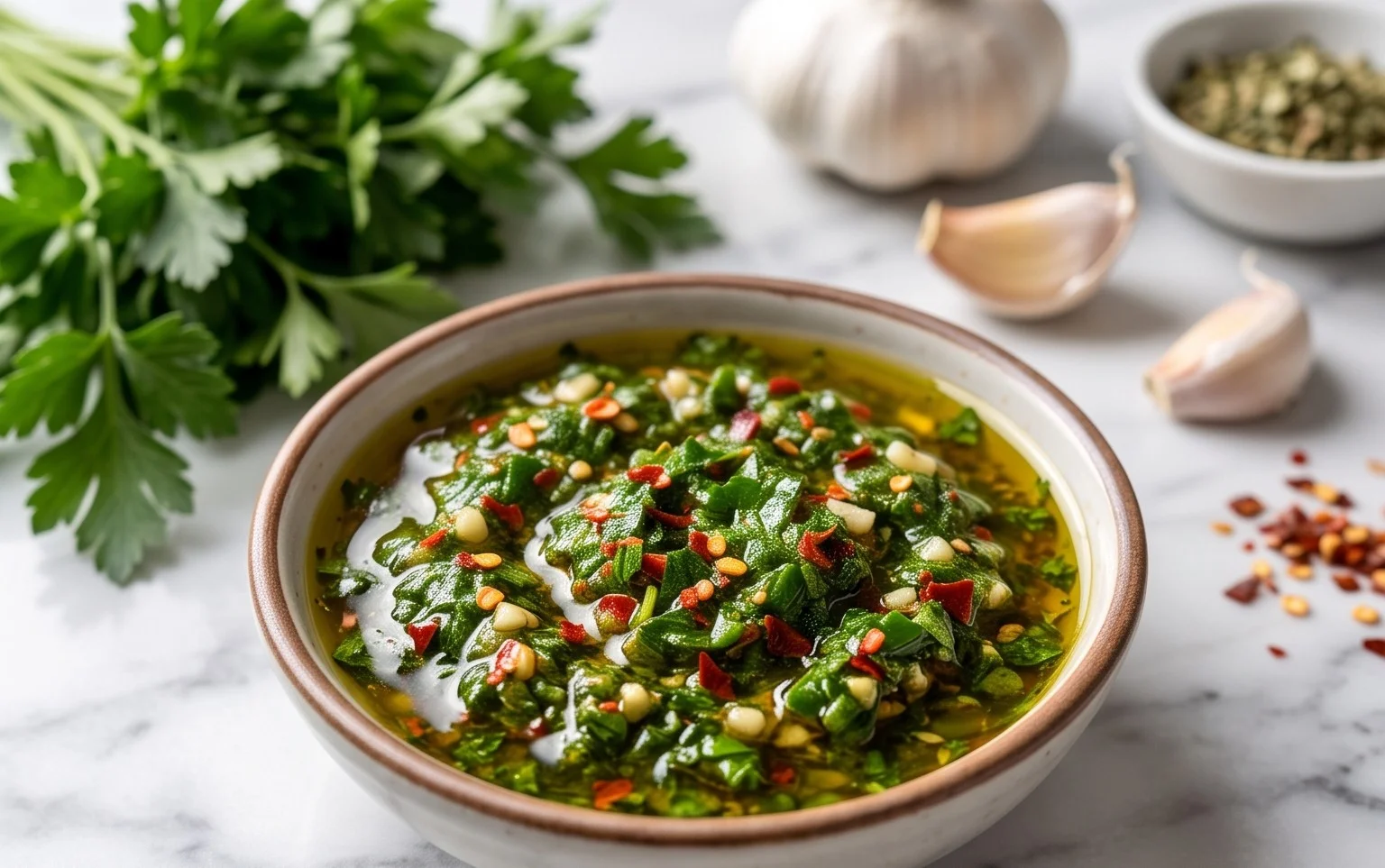
Chimichurri Sauce
There’s something truly magical about a vibrant, herbaceous sauce that can elevate a simple grilled steak to an entirely new culinary experience. Chimichurri sauce, with its zesty, garlicky, and herby profile, is exactly that kind of culinary superhero. Origin extractating from Argentina and Uruguay, this uncooked sauce is a staple alongside grilled meats, but its versatility extends far beyond. I love to dollop it on roasted vegetables, spoon it over fish, or even use it as a zesty marinade. It’s surprisingly easy to make, and the freshness you achieve by making it yourself is incomparable. Forget those jarred imposters; this homemade chimichurri is a game-changer. Let’s get to it!
Ingredients:
For the best flavor, use flat-leaf parsley. Curly parsley works in a pinch, but the flavor is less intense.*
A good quality extra virgin extract olive oil will make a noticeable difference in the final taste.*
Preparing Your Ingredients
The first step to chimichurri perfection is to gather and prepare all your ingredients. This is a recipe that really shines when the ingredients are fresh and vibrant, so take a moment to appreciate the bright green of the herbs and the pungent aroma of the garlic.
Chopping the Herbs and Aromatics
For the herbs, it’s best to give them a rough chop. We’re not looking for a fine mince here, as the texture of the herbs is part of what makes chimichurri so appealing. You want small, discernible pieces. I find that a good chef’s knife is ideal for this. Place your packed parsley, cilantro, and oregano on a clean cutting board. Gather them together and start chopping. Aim for pieces that are about the size of a lentil or slightly larger. Don’t worry about perfection; this is a rustic sauce.
Next, tackle the aromatics. Finely mince the garlic cloves. The smaller you mince the garlic, the more evenly its potent flavor will distribute throughout the sauce. If you have a garlic press, you can use that, but mincing with a knife gives you a bit more control over the texture. For the red onion or shallot, I like to mince it very, very finely. The goal is to get its sharp, fresh bite without having large, crunchy pieces. If you find raw onion too overpowering, you can rinse the finely minced onion under cold water for about 30 seconds and then pat it thoroughly dry before adding it to the mixture. This will mellow its flavor.
Combining and Emulsifying
Now comes the fun part: bringin extractg it all together. In a medium-sized bowl, combine the chopped parsley, cilantro, oregano, minced garlic, and finely minced red onion or shallot. Give everything a quick stir to distribute the ingredients evenly.
Next, add the liquids. Pour in the red grape juice vinegar and the fresh lemon juice. The acidity from these liquids is crucial for brightening the flavors and providing that signature tang. Sprinkle in the salt and the red pepper flakes, if you’re using them. Stir everything together again. At this stage, it will look a bit wet and chunky, which is exactly what you want.
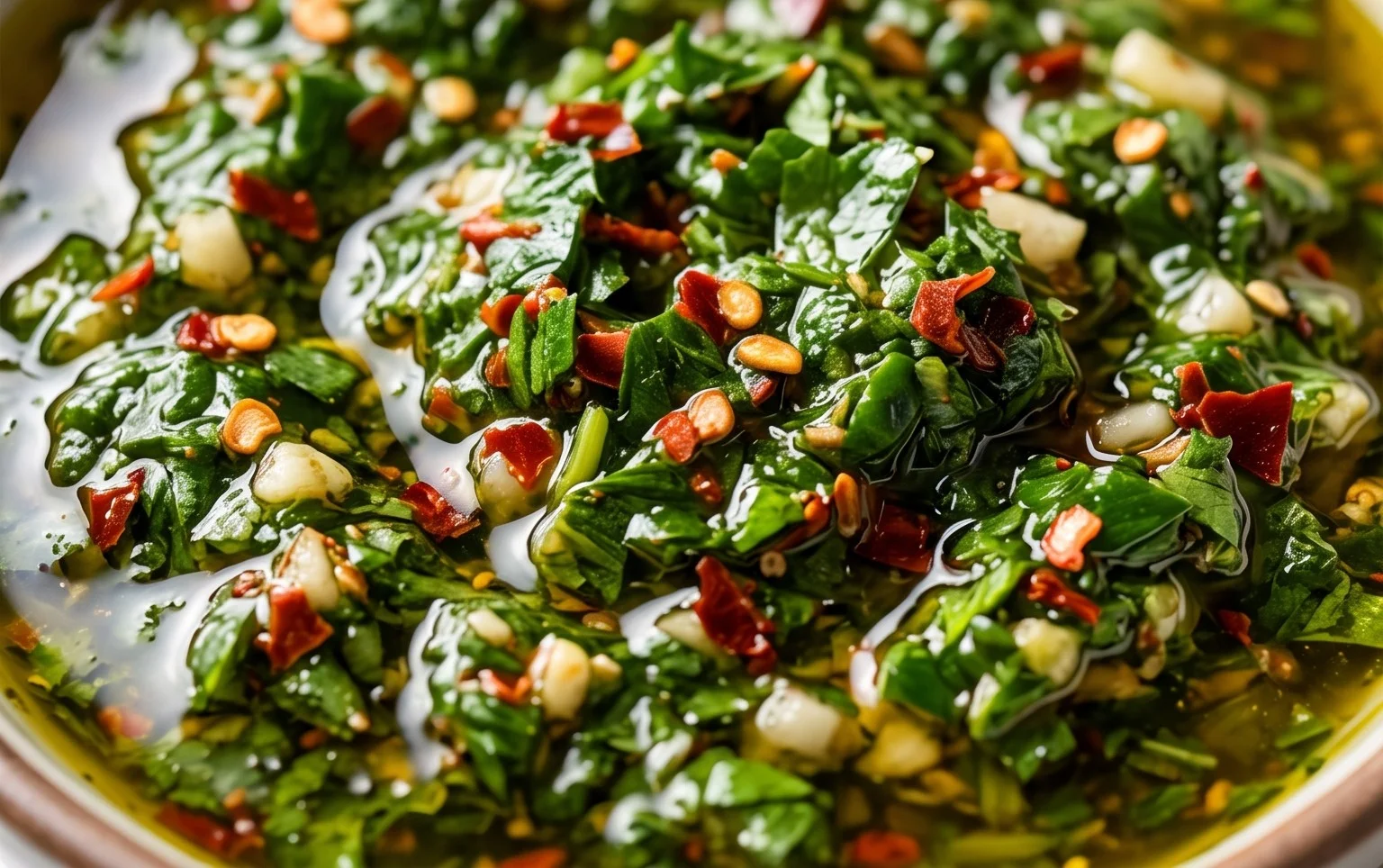
Now, it’s time for the olive oil. This is where the magic of emulsification begin extracts. Slowly drizzle in the olive oil while stirring continuously. You’ll notice the mixture start to come together, thickening slightly and becoming more homogenous. The goal isn’t a perfectly smooth, mayonnaise-like emulsion, but rather a rich, slightly thickened sauce where the oil is beautifully incorporated with the herbs and aromatics. Keep stirring until the oil is well distributed and you have a luscious, vibrant green sauce.
Resting and Tasting
This is a crucial step that many recipes overlook, but it makes a world of difference. Once all the ingredients are combined, cover the bowl and let the chimichurri sauce sit at room temperature for at least 15 to 30 minutes. This resting period allows the flavors to meld and deepen. The garlic will mellow slightly, and the herbs will release their oils more fully into the liquid.
After the resting period, it’s time to taste and adjust. Use a clean spoon to sample the sauce. Does it need more salt? A touch more acidity? Perhaps a bit more heat from the red pepper flakes? Chimichurri is very personal, so don’t be afraid to tweak it to your liking. Add small increments of salt, vinegar, or lemon juice until you achieve your perfect balance of flavors. Remember, you can always add more, but you can’t take it away!
Serving Your Chimichurri
Your glorious homemade chimichurri sauce is now ready to be enjoyed! It’s at its absolute best when served fresh, but it will keep in an airtight container in the refrigerator for up to a week. The flavors will continue to develop over time, so don’t hesitate to use it throughout the week. I find it’s fantastic with grilled steak, chicken, fish, beef, and even as a dip for crusty bread. Don’t be afraid to experiment; its bright, herbaceous flavor can add a wonderful zing to almost anything. Enjoy this burst of fresh, vibrant flavor!
Conclusion:
I hope you’re as excited to whip up a batch of this vibrant chimichurri sauce as I am every time! This recipe is a winner because it’s incredibly fresh, bursting with herbaceous flavor, and surprisingly simple to make. Its versatility is truly its superpower; it elevates everything from grilled steaks and roasted chicken to grilled fish and even roasted vegetables. Don’t be afraid to experiment!
Beyond its classic pairings, I love drizzling chimichurri over grilled halloumi for a vegetarian delight, or using it as a zesty marinade for beef tenderloin. You can even mix a little into your favorite salad dressing for an extra kick. This recipe is so forgiving and adaptable. Feel free to adjust the chili flakes for more or less heat, or experiment with different types of fresh herbs like tarragon or even a touch of mint for a unique twist.
I strongly encourage you to give this chimichurri recipe a try. It’s a fantastic way to add a burst of freshness and deliciousness to your meals. You’ll wonder how you ever lived without it!
Frequently Asked Questions:
How long does chimichurri sauce last?
Properly stored in an airtight container in the refrigerator, your homemade chimichurri sauce should stay fresh and delicious for about 5-7 days. The olive oil acts as a preservative, but the fresh herbs will eventually start to lose their vibrant color and flavor.
Can I freeze chimichurri sauce?
Yes, you absolutely can! For longer storage, you can freeze chimichurri sauce. The best way to do this is to pour it into ice cube trays and freeze until solid. Once frozen, transfer the chimichurri cubes to a freezer-safe bag. This makes it super easy to thaw out individual portions whenever you need them.
What if I don’t have fresh parsley or oregano?
While fresh herbs are ideal for that signature bright flavor, you can substitute dried herbs in a pinch. Use about 1 tablespoon of dried parsley and 1 teaspoon of dried oregano for every cup of fresh herbs called for in the recipe. Be aware that the flavor will be slightly less intense and the texture will be different.
Chimichurri Sauce
A vibrant and herbaceous Argentinian sauce perfect for grilled meats.
Ingredients
-
1 1/2 cups well packed (42g) fresh parsley
-
1/2 cup well packed (20g) fresh cilantro
-
1/4 cup (9g) fresh oregano or 1 tsp dried
-
1/4 small red onion or one small shallot
-
3 garlic cloves
-
3 Tbsp red grape juice vinegar
-
2 Tbsp fresh lemon juice
-
1/2 tsp salt, (then more to taste)
-
1/4 tsp red pepper flakes ((optional, more or less to taste))
-
3/4 cup olive oil
Instructions
-
Step 1
Finely chop the fresh parsley, cilantro, oregano (if using fresh), red onion or shallot, and garlic. -
Step 2
In a medium bowl, combine the chopped herbs, onion/shallot, and garlic. -
Step 3
Add the red grape juice vinegar, fresh lemon juice, salt, and red pepper flakes (if using). -
Step 4
Whisk everything together until well combined. -
Step 5
Slowly drizzle in the olive oil while whisking continuously to emulsify the sauce. -
Step 6
Taste and adjust seasoning with more salt or red pepper flakes if desired. -
Step 7
Let the chimichurri sauce sit for at least 10 minutes to allow the flavors to meld before serving.
Important Information
Nutrition Facts (Per Serving)
It is important to consider this information as approximate and not to use it as definitive health advice.
Allergy Information
Please check ingredients for potential allergens and consult a health professional if in doubt.